SMT and through-hole assembly services support electronic products that use surface-mount components, leaded components or a combination of both technologies. MG PCBA provides coordinated assembly according to the customer’s PCB files, BOM, placement data, drawings and approved production requirements.
Surface-mount technology is suitable for compact components, automated placement and efficient production, while through-hole assembly is commonly used for connectors, transformers, switches and other components requiring lead insertion. The appropriate process depends on the board design, component package, order quantity and quality requirements. Each project is reviewed before production so that material preparation, assembly sequence, inspection and testing can be arranged consistently.
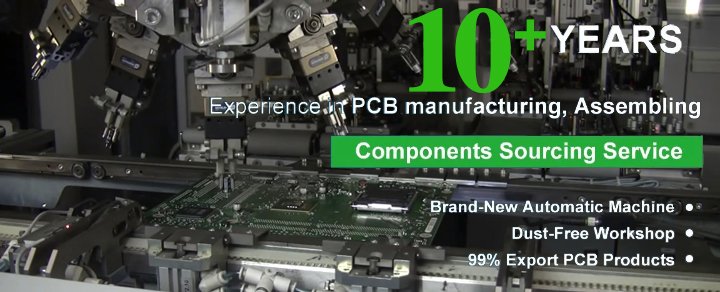
What Is Included in SMT and Through-Hole Assembly
The assembly scope may include solder paste preparation, SMT placement, reflow soldering, through-hole component insertion, soldering, inspection, programming and functional testing. Projects can be arranged for prototypes as well as low- and mid-volume production according to the confirmed files and material availability.
Some boards use only surface-mount components, while others require a mixed assembly process. The production route is reviewed before manufacturing so that different component types are assembled in the correct sequence.
SMT Assembly Process
Before SMT production begins, the PCB data, placement file, BOM and component packages are reviewed for consistency. Solder paste is applied to the required pads, components are placed according to the approved coordinates, and the boards pass through the controlled reflow soldering process.
Placement orientation, polarity and package information are checked according to the available manufacturing files. Process requirements may be adjusted according to component size, board density, thermal characteristics and production quantity.
Through-Hole Component Assembly
Through-hole assembly is used when component leads must pass through drilled PCB holes before soldering. This method is commonly required for connectors, terminals, switches, transformers, large capacitors and other components that cannot be assembled through the standard SMT placement process.
Components may be inserted manually or with suitable production equipment according to the board design and order requirements. Lead length, orientation, polarity, solder-joint condition and mechanical positioning are checked during assembly and inspection.
Mixed-Technology PCBA Manufacturing
Many electronic assemblies combine SMT devices with through-hole components on the same board. In these projects, the manufacturing sequence must consider component placement, reflow temperature, manual insertion and subsequent soldering operations.
MG PCBA reviews the assembly information before production to determine a suitable process route. Customer-supplied components, programmed devices, special connectors and mechanical parts can also be incorporated when their requirements are confirmed in advance.
Component Preparation and Material Control
Component sourcing and material preparation are arranged according to the approved BOM, manufacturer part numbers, packages and required quantities. Incoming materials are checked against the available purchasing and project information before production.
If the customer supplies components, the quantities, labels and packaging condition are reviewed when the materials arrive. Any shortages, unclear part numbers or visible inconsistencies are reported before the affected materials are used.
Inspection and Testing
Inspection may include component orientation, polarity, placement accuracy, solder-joint condition and visible assembly defects. AOI can be used for applicable SMT assemblies, while through-hole areas and manually assembled parts are checked according to the board design and agreed requirements.
Electrical testing, ICT, functional testing, programming or aging tests can be arranged when the necessary fixtures, software and acceptance criteria are available. Inspection and testing information may also be recorded according to the agreed traceability requirements.
Files Required for Assembly Review
Customers should provide the available Gerber files, BOM, placement data, assembly drawings and special process instructions. Firmware, programming files, test procedures and acceptance criteria should also be included when programming or functional testing is required.
Complete and consistent files help the engineering and production teams confirm component packages, polarity, assembly locations and testing responsibilities before manufacturing begins. Any revision differences or unclear requirements are confirmed with the customer before production.
Discuss Your SMT and Through-Hole Assembly Project
Assembly requirements vary according to board design, component type, production quantity and testing scope. Providing complete project information allows the manufacturing route, material requirements and expected production schedule to be evaluated more accurately.
Submit your Gerber files, BOM, placement data, assembly drawings and testing requirements through our Request a PCBA Quote page. MG PCBA will review the available information and confirm the suitable assembly and verification plan for your project.